Carbon Fiber vs Kevlar: A Procurement & Sourcing Guide
Navigating the complexities of choosing between carbon fiber and Kevlar is crucial for procurement managers and sourcing specialists. Both materials play significant roles in various industries, with carbon fiber’s market anticipated to reach USD 10.66 billion by 2025, underscoring its rising importance. This guide presents an in-depth analysis of these materials, their distinct attributes, and considerations for sourcing. Hangzhou Impact New Materials, with its extensive experience in composite materials, offers invaluable insights to assist in making informed procurement decisions.
Key Considerations
- Carbon fiber boasts tensile strengths up to 6,000 MPa, perfect for aerospace applications.
- Kevlar excels in impact resistance, making it ideal for protective gear.
- Hybrid fabrics capitalize on the strengths of both materials, combining carbon’s rigidity with Kevlar’s flexibility.
- Opt for suppliers with ISO 9001 certification to guarantee quality.
Evaluating Material Attributes
Carbon Fiber: Superior Strength and Light Weight
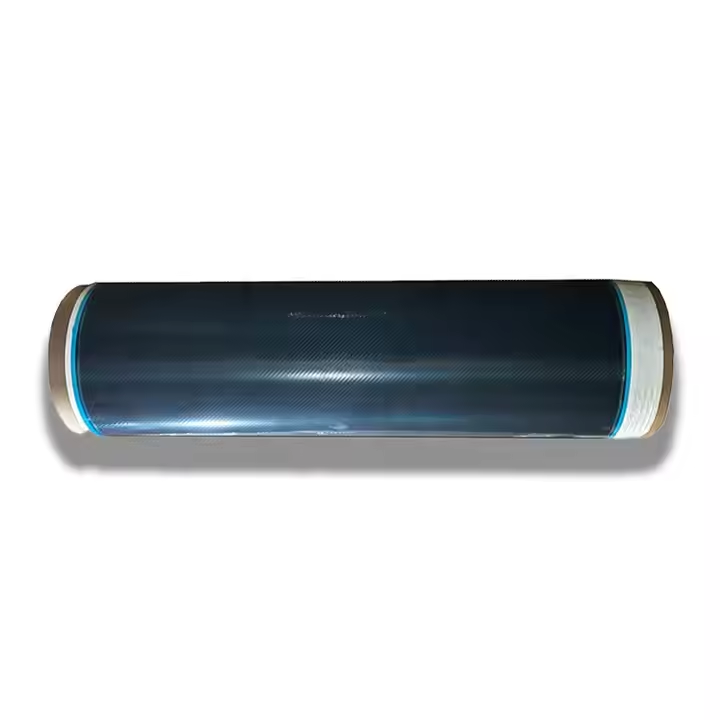
Renowned for high tensile strength, carbon fiber can achieve values up to 6,000 MPa, making it a top choice in aviation and automotive sectors. Its low density, approximately 1.6 g/cm³, provides an exceptional strength-to-weight ratio. This characteristic is vital in applications such as 3K Twill Carbon Fiber Fabric Epoxy Resin Prepreg. Procurement for aerospace often involves using carbon fiber for structural integrity and reduced weight in fuselage and wing assemblies.
Kevlar: Resilience and Versatility
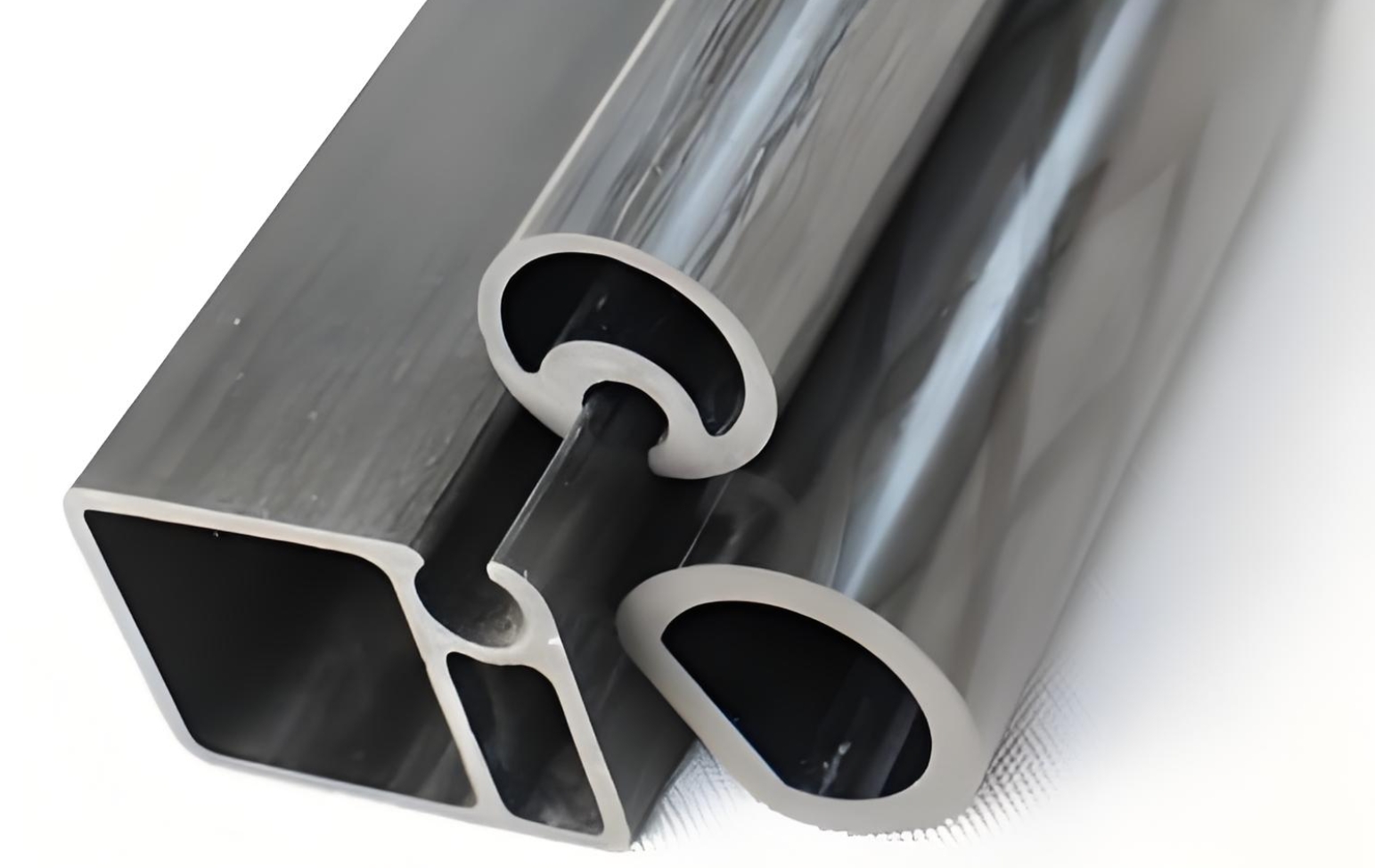
An aramid fiber, Kevlar is noted for its excellent impact resistance and flexibility, desirable in ballistic and protective gear. Its tensile strength reaches around 3,620 MPa, with a significant elongation at break of approximately 4.4%, crucial for applications demanding flexibility yet retaining strength. Examples include products such as Special Section Pultruded Carbon Fiber Rod.
Composite Hybrids: Merging Material Benefits
By combining carbon and Kevlar, hybrid fabrics offer a balanced solution, intertwining the rigidity of carbon with the adaptability of Kevlar. Such hybrids are valuable in automotive and sports industries, providing tailored solutions based on load requirements and environmental factors.
Industry Applications
Usage in Aerospace
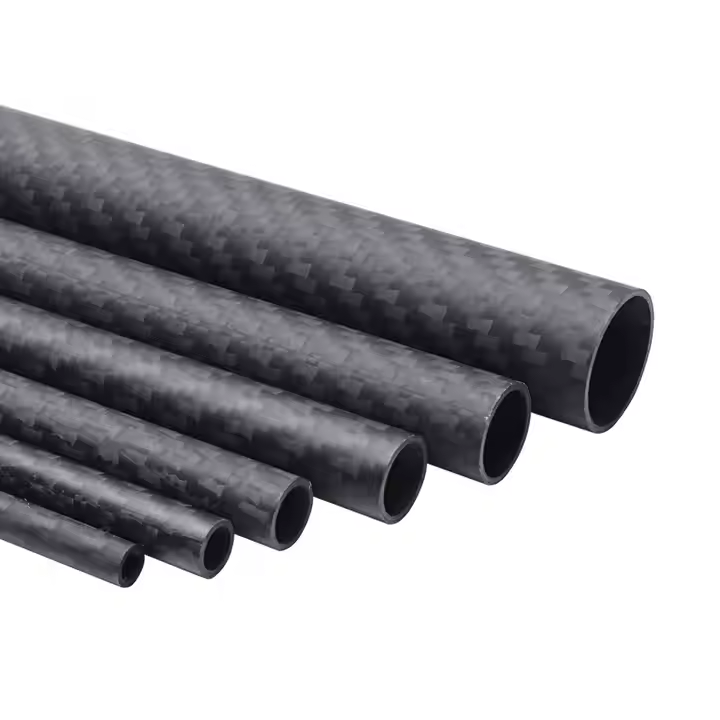
Carbon fiber’s exceptional stiffness and lightness make it indispensable in aerospace for constructing critical components. The Customized Round CFRP Carbon Fiber Tube exemplifies materials used to craft durable yet lightweight aerospace frames.
Automotive Sector
In automotive engineering, carbon fiber enhances fuel efficiency through weight reduction, whereas Kevlar bolsters safety mechanisms with its impact resistance. Engineers often rely on carbon kevlar composites for optimal performance and safety balance.
Protective Gear and Ballistics
Kevlar reigns supreme in protective gear, thanks to its robust impact resistance validated by ASTM D3039 testing. Applications such as bulletproof vests and helmets benefit from its ability to maintain structural integrity under pressure.
Featured Products in Material Comparison
Explore leading carbon fiber vs kevlar material comparison products from Impact Materials, utilized by manufacturers in over 120 countries.
Comparative Analysis and Specs
Property Analysis
| Property | Carbon Fiber | Kevlar |
|---|---|---|
| Tensile Strength (MPa) | 3,500 – 6,000 | 2,620 – 3,620 |
| Density (g/cm³) | 1.6 | 1.44 |
| Elongation at Break (%) | 1.5 – 2.0 | 4.4 |
| Temperature Resistance (°C) | Up to 200 | Up to 160 |
Quality Certifications and Standards
Ensuring that selected materials adhere to international standards like ISO 9001 is vital for quality assurance. These certifications confirm the reliability of the supplier and the material’s performance consistency.
For more detailed specifications and procurement insights, refer to the comprehensive guide on Hangzhou Impact New Materials, a trusted resource in the industry.
Sourcing Strategy and Supplier Evaluation
Supplier Evaluation Criteria
Assessing potential suppliers involves considering their compliance with industry standards, quality certifications, and production capabilities. Evaluating past performance and client testimonials can also provide insights into their reliability and service quality.
Minimum Order Quantities and Lead Times
Negotiating optimal MOQs and understanding lead times are essential aspects of procurement. Suppliers with flexible MOQs and competitive lead times can offer advantages in maintaining inventory levels and meeting production schedules efficiently.
Identifying Red Flags in Procurement
Beware of inconsistent quality reports, lack of certifications, and delayed responses during supplier engagement. Such red flags can indicate potential risks in supply chain stability and product reliability.
Cost Optimization Techniques
Effective cost management can be achieved by comparing material prices, exploring bulk order discounts, and negotiating logistics costs. Sourcing from a carbon fiber vs kevlar manufacturer who offers cost-effective solutions without compromising quality is crucial for budget optimization.
To explore further options and solutions in composite materials, visit Impact Materials for carbon fiber vs kevlar solutions tailored to your specific needs.